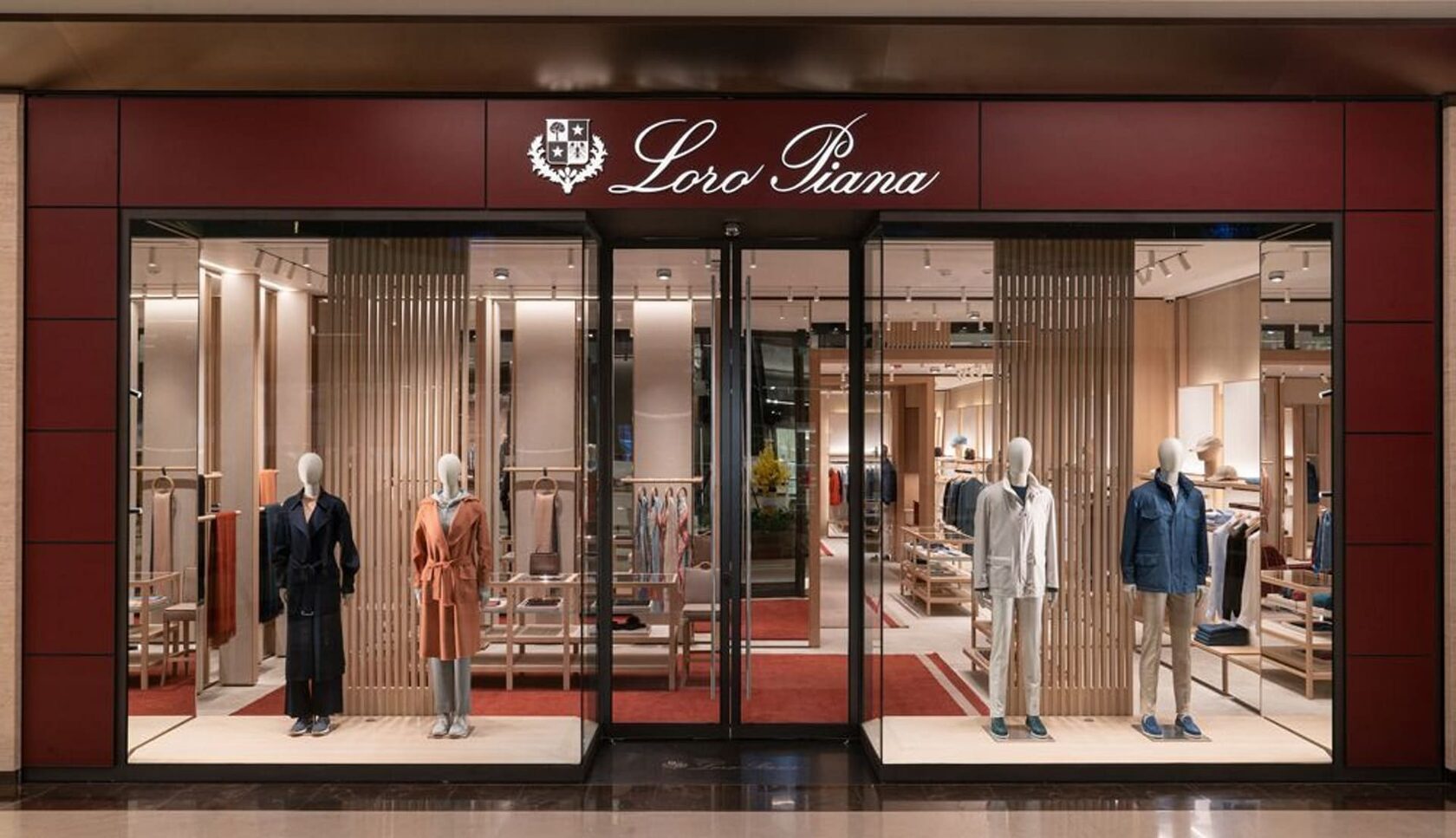
One of the most refined symbols of understated luxury — Loro Piana — has found itself at the center of a labor scandal. A Milan court has placed the LVMH-owned brand under judicial supervision for one year after uncovering evidence of migrant worker exploitation in its cashmere supply chain.
The investigation revealed that a Loro Piana subcontractor outsourced production to illegal workshops. There, workers logged up to 90 hours a week for € 4 an hour, often sleeping on factory floors. Conditions violated not only wage and safety standards but also basic human dignity. In one case, a worker demanding € 10,000 in unpaid wages was assaulted, suffering injuries that required 45 days of recovery.
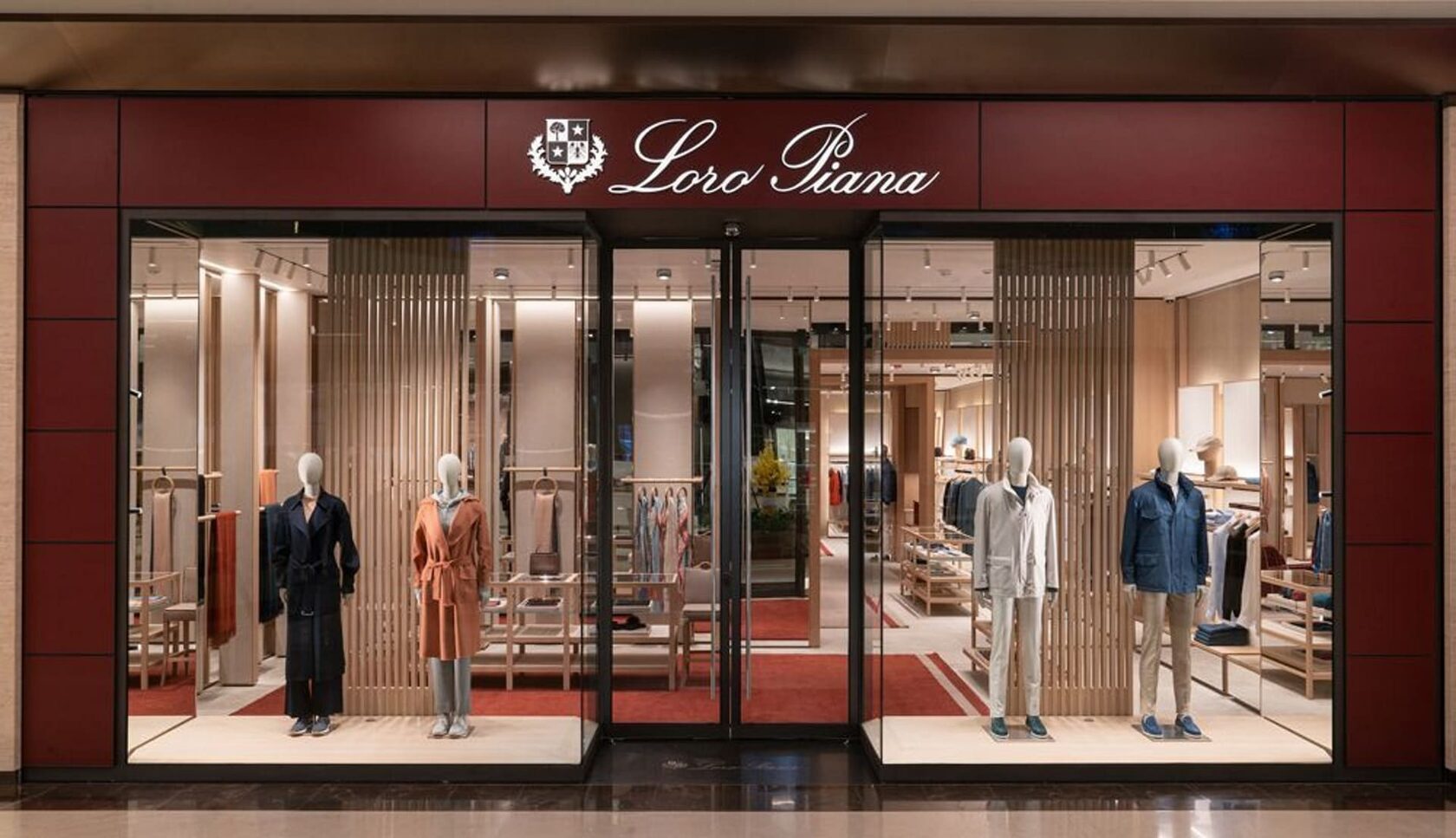
In May, police shut down one such underground factory producing for the brand. Loro Piana stated it was unaware of the subcontracting scheme and immediately terminated its relationship with the contractor once the abuses came to light.
This is not an isolated case. Before Loro Piana, Dior, Valentino, Armani, and Alviero Martini were also placed under judicial oversight in Italy. The wave of investigations exposes not only individual violations but also the very architecture of modern luxury production — where brand aesthetics may rest on invisible, and often inhumane, foundations.
Against the backdrop of rising scrutiny around ethics and authenticity in fashion, the case forces a hard question: Is luxury truly worth its price if it is built on invisible exploitation? Perhaps it is time to redefine what "heritage" means in fashion.