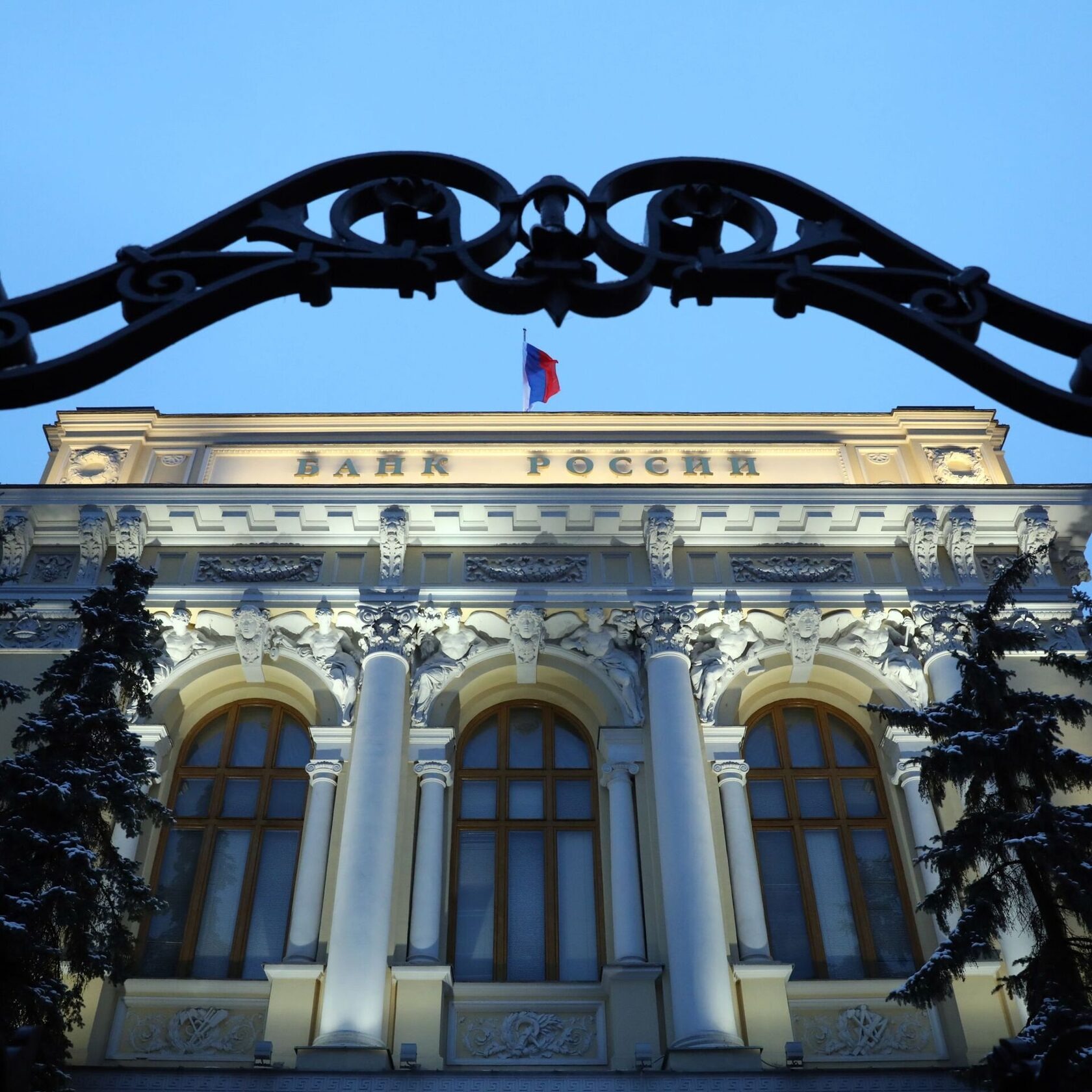
Starting July 28, 2025, Russia will implement updated requirements for obtaining the status of a qualified investor — a designation that effectively grants individuals and companies access to more complex and potentially higher-yield financial instruments.
The key change is a lower income threshold. To qualify, individuals will now need to demonstrate an average annual income of at least ₽12 million over the past two years (down from the previous ₽20 million). For applicants with specialized education or international certifications — such as CFA, or degrees in finance, accounting, or taxation — the bar drops further, to ₽6 million.
Asset requirements have also been revised. From 2025, individuals must hold at least ₽12 million in assets, a figure that will double to ₽24 million in 2026. An alternative path to qualification is through trading activity: at least 10 transactions per quarter totaling ₽6 million or more.
For legal entities, separate thresholds apply: a minimum capital of ₽200 million, derivatives turnover of at least ₽50 million, or annual revenue exceeding ₽2 billion in the most recent fiscal year.
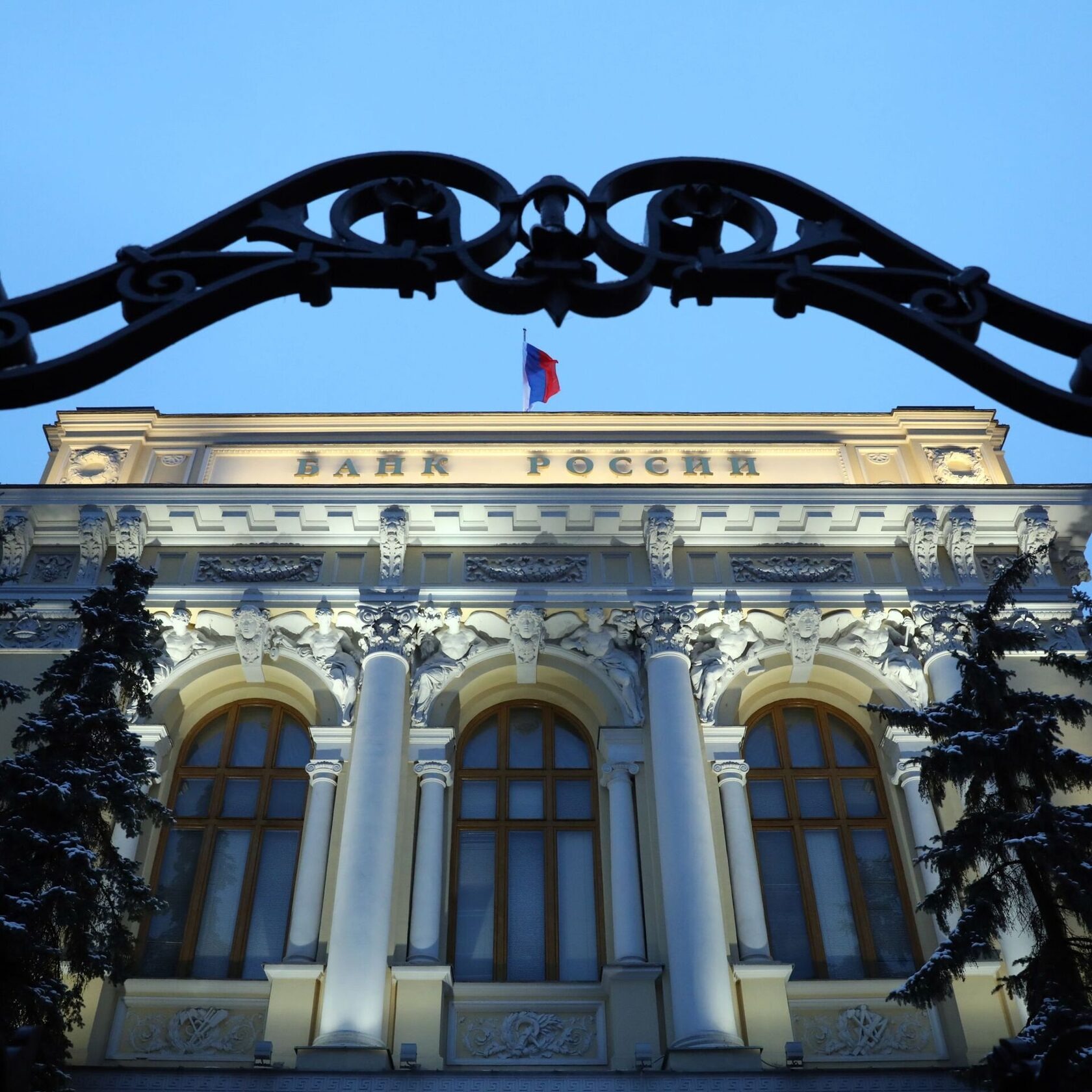
The move underscores the Central Bank’s intent to make financial markets more accessible while maintaining an institutional safeguard. By lowering entry barriers in the context of rising household wealth, digitalization, and improving financial literacy, regulators may be paving the way for a new structure of private and corporate capital. The open question is how markets will respond — and where the line between opportunity and responsibility will ultimately be drawn.